
Retinoblastoma: What is it?
Retinoblastoma is a rare but serious cancer of the eye. It begins in the retina, the light-sensitive lining at the back of the eye, in early childhood — usually before age 5. If untreated, it can spread to other parts of the body and be fatal.
Causes
.Genetic Mutations
The main driver is mutation of the RB1 gene, a tumor suppressor gene on chromosome 13. When RB1 is not working properly, retinal cells can begin to divide uncontrollably.
About 40-45% of cases are hereditary. That means the mutated gene is present in all body cells (germline mutation), often passed from parent to child. These cases are more likely to affect both eyes (bilateral) or multiple tumors.
The rest (non-hereditary, or sporadic) occur due to somatic mutations that happen after conception and affect only retinal cells.
Other Genetic Factors
In rare cases, other genetic changes (e.g. amplification of the MYCN gene) have been implicated.
There is no strong evidence that environmental or lifestyle factors play a major causal role, though research continues.
Early Signs & Symptoms
Early detection is crucial, because the prognosis (chance of survival, preserving vision) is significantly better when retinoblastoma is caught early.
Here are warning signs to watch for:
.Leukocoria (“white pupil”) The pupil appears white or pale instead of red (especially in flash photos), often the first noticeable sign.
.Strabismus Eyes that appear crossed or misaligned.
Poor vision or change in vision Child often unable to track objects, vision seems blurred or reduced.
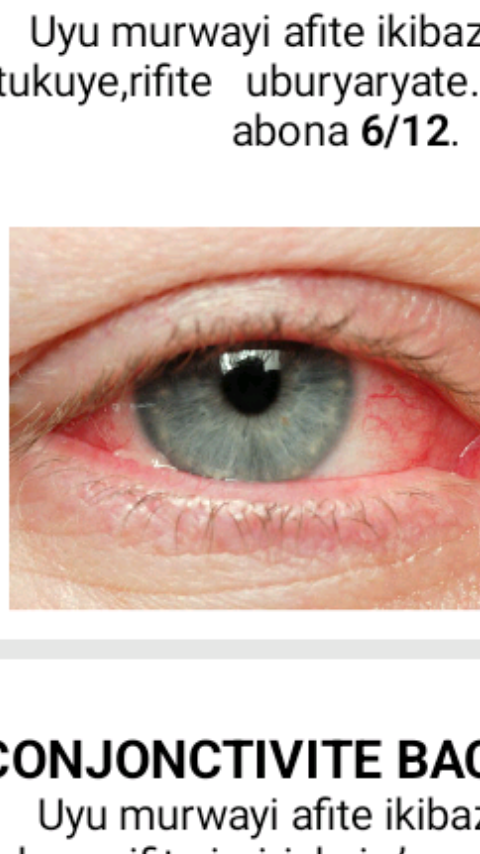
.Redness or swelling of the eye that is not improving, sometimes with pain or irritation.
.Enlarged eyeball or bulging (proptosis) if the disease is more advanced.
Because retinoblastoma usually appears in very young children, caregivers (parents, grandparents) and pediatricians are often the first to notice changes.
Protection, Screening & Treatment
Is Prevention Possible?
There is no known way to completely prevent retinoblastoma, since it involves genetic mutations, many of which occur spontaneously.
However, in families with a history of retinoblastoma, genetic counseling and testing can help to understand the risk of passing on a faulty gene. Also regular eye examinations can help early detection in children at higher risk.
Early Detection & Screening
Routine eye checks in infants and young children, especially if there is a family history of retinoblastoma.
Checking the red reflex: shining a light into the eye to see how light reflects out. If the reflex is abnormal (look for a white, yellowish, or other non-red glow), further evaluation is needed.
Prompt follow-up of any suspicious signs like leukocoria, strabismus, or vision changes.
Treatment Options
Depending on how early the disease is caught, treatments can vary. Goals are to save life, preserve vision and, where possible, avoid removing the eye. Options include:
Local therapies (“focal”): laser therapy, cryotherapy, thermotherapy to directly treat small tumors.
Systemic chemotherapy (drugs that circulate through the body) or more targeted chemotherapy (for example delivered via artery or injection into the eye).
Radiation therapy in certain cases. However, in young children, radiation has risks of long-term side effects.
Enucleation: surgical removal of the eye, often necessary for large or advanced tumors, or when there’s risk of spread.
After treatment, lifelong monitoring is important (especially in hereditary cases) because there is a risk of secondary cancers and for assessing vision or cosmetic outcomes.
Global Numbers & Mortality
Here are key statistics, drawn from recent studies, showing how many children are affected worldwide, and how many deaths occur each year:
New cases per year globally In 2021: about 6,275 incident cases in children under 10 years.
Prevalent cases (living with the disease or its after-effects) About 57,333 cases in 2021.
Deaths per year globally Around 2,762 deaths in 2021.
Incidence in more developed (high‐income) countries In those places, survival is very high (≈ 95%), so deaths are rare when detected and treated early.
Survival disparity Very wide: in high‐income countries, treatment can cure over 90-95% of children. In low‐ and middle‐income areas, survival can be much lower (often because of late diagnosis, limited access to care).
Why Deaths Still Occur & Challenges ?
Late diagnosis: in some regions, the disease is only recognized after it has already spread beyond the eye, making treatment less effective.
Limited access to specialized eye cancer treatment centers, chemotherapy, imaging, surgery.
Cost, infrastructure, and lack of awareness among caregivers and health workers.
Genetic counseling and follow-up may be less available.
What You Can Do & Protecting Children?
Be aware of early warning signs: if a child’s pupil looks “white” in a photo; if eyes are crossed; if the child seems not to follow objects visually; or if one eye seems red or swollen without obvious infection.
Ensure regular infant/child eye examinations, especially if there is family history.
Advocate or support community health programs to educate parents and primary health care workers, so that referrals happen quickly.
If there is a risk (family history or known RB1 mutation), genetic counseling is important.
Conclusion
Retinoblastoma is rare but highly treatable, especially when diagnosed early. It is fundamentally a genetic disease: either inherited or arising spontaneously. The earlier it is caught, the better the chance not only of saving a child’s life, but also preserving vision and the eye. Global trends show incidence rising slightly, but mortality and disability are decreasing in man