
BREAKING NEWS, ETHIOPIA: Doctors miraculously managed to reattach a young man’s totally cut-off arm
In a groundbreaking medical achievement, specialist surgeons in Ethiopia have successfully reattached the severed arm of a young man, marking what doctors believe to be the country’s first fully successful limb reattachment surgery.
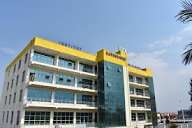
Dr. Anteneh Hailu, a specialist surgeon at the private Samaritan Surgical Center in Addis Ababa, told the BBC that the operation was highly complex but ultimately successful. The patient, a 20-year-old man, lost his arm in a serious workplace accident involving a wood-cutting machine.
A Race Against Time
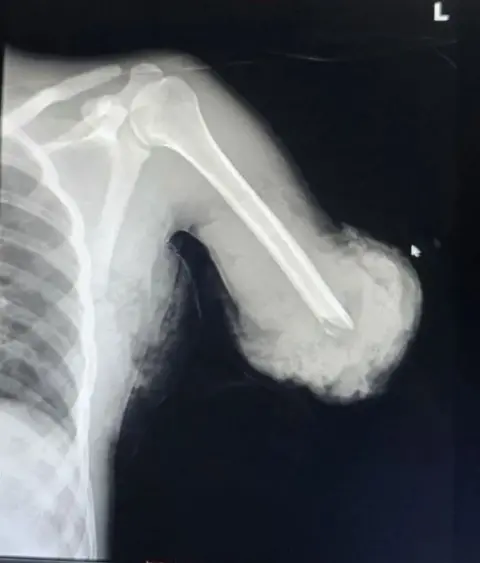
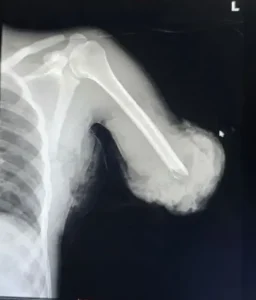
According to Dr. Anteneh, the young man’s arm was completely severed above the elbow and detached from his body. The patient was rushed to hospital first, while his family carefully transported the severed arm packed in ice shortly afterward.
Placing the limb in ice proved critical.
“If the arm had not been immediately preserved in ice, the chances of successful reattachment would have dropped dramatically,” Dr. Anteneh explained. “Cooling the limb prevents the muscles from dying due to lack of blood circulation.”
Before being transferred to Samaritan Surgical Center, the patient had lost a significant amount of blood and had to receive emergency treatment and blood transfusions to stabilize his condition.
A Highly Complex Procedure
Doctors describe limb reattachment surgery as one of the most difficult procedures in modern medicine. Dr. Anteneh said that, to the best of his knowledge, this was the first time such a major reattachment surgery has been successfully performed in Ethiopia.
While minor procedures,such as saving partially severed fingers have been done before, this case involved a complete traumatic amputation.
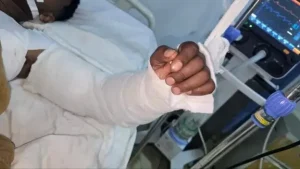
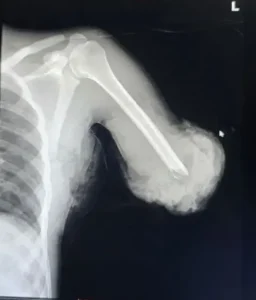
“The patient and his arm arrived separately,” Dr. Anteneh said. “This was a severe and complete detachment.”
A multidisciplinary medical team was urgently assembled, including:
Orthopedic surgeons
Plastic and reconstructive surgeons
Vascular and nerve specialists
Anesthesiologists
The team worked together to determine the best surgical strategy.
Two Major Operations, Twelve Hours of Surgery
The reattachment was carried out in two stages, each lasting approximately six hours.
First stage (6 hours): Reconnection of the bone and major blood vessels to restore blood flow
Second stage (6 hours, two weeks later): Further repair and refinement, including muscles, smaller blood vessels, and nerves
Doctors deliberately chose a staged approach, focusing first on restoring circulation and structural stability before addressing finer details.
“Once the bone and major blood vessels were reconnected, blood flow returned to the limb,” Dr. Anteneh said. “Smaller nerves and muscles were addressed later.”
Recovery and Rehabilitation
Following surgery, the patient began a structured rehabilitation program, including physiotherapy to help restore movement and function.
Doctors explained that recovery focuses on both:
Gross motor skills – large movements such as lifting and carrying
Fine motor skills – precise movements like writing, gripping small objects, and opening doors
With continued physiotherapy, doctors believe there is a strong chance that the young man’s arm will regain near-normal function.
A Medical Milestone for Ethiopia
Dr. Anteneh confirmed that the patient has since returned to work and is doing well. The success of this surgery is being hailed as a major milestone for Ethiopia’s healthcare system.
In a country that continues to face challenges such as limited infrastructure and a shortage of specialist doctors, this achievement represents a significant step forward.
“The lack of advanced medical facilities and trained specialists remains a major obstacle,” Dr. Anteneh said. “But this case shows what is possible with teamwork, expertise, and determination.”
Medical professionals and observers alike are calling the operation one of the most important advances in Ethiopian surgical care in recent years—a powerful example of life-changing medicine achieved against the odds.
Source: BBC Gahuza