
Understanding Breast Cancer: Risks and Prevention
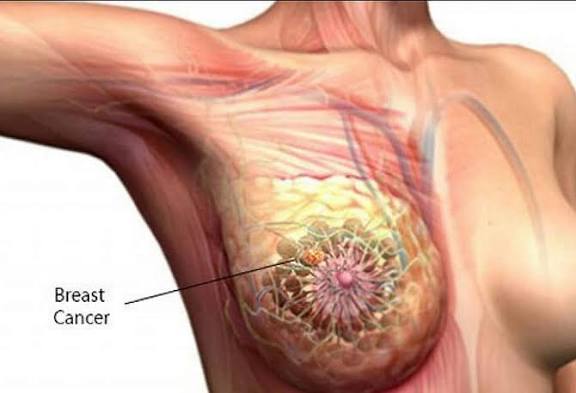
Breast cancer is one of the most common cancers affecting people worldwide, particularly women, though men can also develop it. It occurs when abnormal cells in the breast grow uncontrollably, forming a tumor that can spread if not detected early. Awareness, early detection, and preventive measures play a huge role in reducing the risks and saving lives.
Who are more likely to develop breast cancer?
While anyone can get breast cancer, some groups are at a higher risk:
Women over 40 years old – The chances increase with age.
Those with a family history – Having close relatives (mother, sister, or daughter) with breast cancer raises risk.
Genetic factors – Mutations in genes such as BRCA1 and BRCA2 significantly increase likelihood.
Hormonal factors – Early menstruation, late menopause, or long-term use of hormone replacement therapy (HRT) can increase risk.
Lifestyle factors – Obesity, excessive alcohol use, smoking, and lack of physical activity all contribute.
Previous chest radiation – Those who received radiation therapy at a young age are more vulnerable.
How can people do to reduce their risks to be attacked by breast cancer?
Although breast cancer cannot always be prevented, several steps can lower the risk:
1. Regular screening
Women over 40 should undergo regular mammograms as recommended by health professionals.
Self-examinations and clinical breast exams help detect unusual lumps early.
2. Healthy lifestyle choices
Maintain a healthy weight through balanced nutrition.
Engage in regular physical activity.
Limit alcohol intake and avoid smoking.
3. Hormonal Awareness
Discuss the risks of birth control pills or hormone replacement therapy with a doctor.
Consider alternatives if the risks outweigh the benefits.
4. Know Your Family History
If breast cancer runs in the family, genetic counseling and testing can provide helpful insights.
5. Breastfeeding Benefits
Breastfeeding has been linked to reduced breast cancer risk in mothers
Conclusion
Breast cancer is not a guaranteed outcome, even for those at high risk. With awareness, early detection, and lifestyle changes, people can significantly reduce their chances of developing it. Spreading knowledge about who is most at risk and how prevention works helps protect communities and saves the life